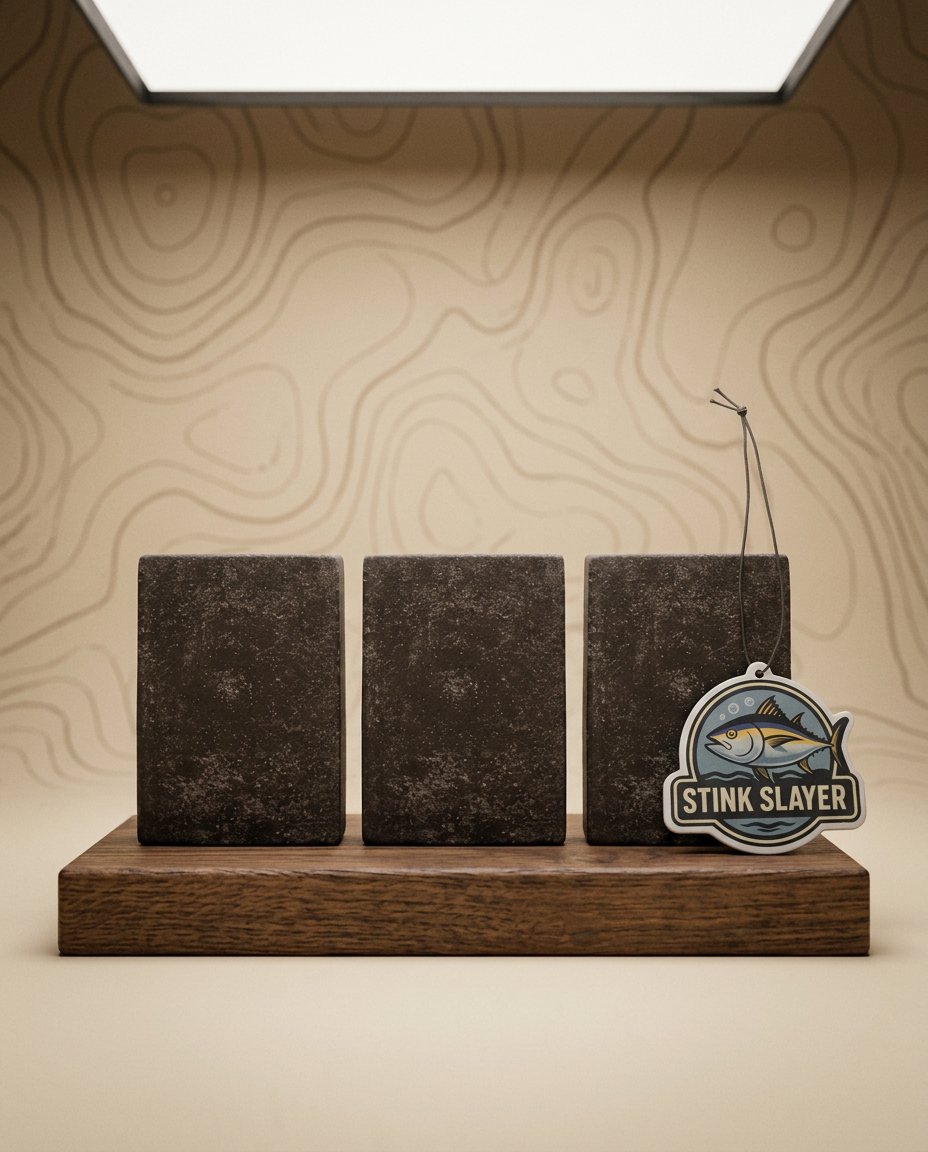
If you've ever tried to wash a full day of job-site grime off with the pump-bottle soap in the site amenities, you already know it barely makes a dent. Some jobs leave your hands cleaner than others, but grease, dust, dirt and general grime all share one thing in common: they need more than a light, everyday soap to actually shift.
Why Normal Soap Doesn't Cut It
Most hand soap, the stuff in a pump bottle at a bathroom sink, is designed to remove light everyday dirt and bacteria. It's not designed to break down grease, dust or ground-in grime, so when you use it after a day on the tools, you end up with soap that's lathered up on top of the dirt rather than actually shifting it. You rinse, and a lot of what was there is still there, just spread around.
This is why a lot of tradies end up using degreaser, mechanic's hand cleaner, or scrubbing with whatever's around, because the soap in front of them genuinely isn't built for the job.
What Actually Makes a Heavy-Duty Soap Work
Two things do most of the heavy lifting in a soap that's actually built for dirty hands:
- Physical grit. An abrasive ingredient, like pumice, gives the soap something to actually scrub with, rather than just relying on lather. This is the difference between "wiping dirt around" and "physically removing it."
- An absorbent ingredient. Something like activated charcoal helps pull oil and grime out of the skin rather than just off the surface, which matters because a lot of grease works its way into the fine lines and creases of your hands, not just sitting on top.
Neither of those things exist in most standard hand soap, which is why it feels like you're getting nowhere after a genuinely dirty day.
Don't Skip Your Nails and Creases
The dirt that's still visible after a wash is almost always in the same three spots: under the nails, in the creases of your knuckles, and around the cuticles. If you're only lathering your palms and rinsing, you're leaving the worst of it behind. Work the soap into those specific areas directly, using your thumbnail or a nail brush if you've got one.
Wet hands, work the soap in properly across palms, backs of hands, between fingers and under nails for a full 20 to 30 seconds, not a quick 5-second rinse, then wash off. If your hands are still visibly dirty, do a second, shorter pass focused only on the spots that are left.
End of Shift vs During the Day
A quick wash before smoko or lunch doesn't need to be perfect, getting the worst off so you're not eating your sandwich covered in grease is the goal. End of shift is where a proper wash matters, that's the one that determines whether you're still smelling like the job site at dinner or not.